The importance of a sleep mask: improving REM sleep and deep sleep
A good night's sleep is essential to our physical and mental health. Sleep masks can significantly improve sleep quality, especially in summer when the days are longer and there is more light. They can also be useful in winter, for example if your partner gets up earlier or goes to bed later and turns on the light. Below, we explain why a sleep mask is important and how it influences REM sleep and deep sleep, based on scientific research.
You often wake up briefly during your sleep, without remembering it. When light enters your body, it begins to produce cortisol, which can wake you up.
The effect of light on sleep
Light is one of the most important factors influencing our biological clock and sleep-wake cycle. Exposure to light, especially blue light, inhibits the production of melatonin, a hormone essential for falling asleep and staying asleep. A sleep mask effectively blocks light, preventing disruption of melatonin production and improving sleep quality.
Improve REM sleep and deep sleep
Sleep consists of several phases, including REM (rapid eye movement) sleep and deep sleep. These two phases are essential for recovery and cognitive functions.
- REM sleep: this phase is important for processing emotions, consolidating memories, and developing creativity. Research shows that disturbances in REM sleep can lead to mood disorders and decreased cognitive performance ( source ).
- Deep sleep: This is the recovery phase during which the body repairs itself physically, the immune system is strengthened, and growth hormones are released. Disruptions to this phase can lead to fatigue and a weakened immune system ( source ).
A sleep mask blocks out external light sources, which is particularly important in summer or in urban areas where artificial light is abundant. This promotes an uninterrupted sleep cycle, including REM and deep sleep phases.
Supported by scientific research
According to a study published in the Journal of Clinical Sleep Medicine, sleep is essential to health and well-being. Improving sleep quality with aids such as a sleep mask can contribute to better cognitive and physical health ( source ).
Furthermore, a study on the neurobiology of sleep highlights that external factors, such as light, directly influence brain activity during sleep. Wearing a sleep mask can minimize these influences and promote natural sleep processes ( source ).
A 1999 study showed that children who slept with a night light or a light on in their room before the age of two had an increased risk of myopia. Only 10% of children sleeping in complete darkness developed myopia, compared to 34% of those sleeping with a night light and 55% of those sleeping with a light on in their room. The researchers emphasized the importance of a dark sleeping environment for eye health.
Conclusion
A sleep mask is a simple and effective solution for improving sleep quality. It blocks out light, promotes melatonin production, and contributes to a healthy sleep cycle. This is particularly important in summer, but even in winter, a sleep mask can help minimize disturbances caused by artificial light or the presence of a partner. Using one optimizes REM sleep and deep sleep, leading to better health and increased well-being.

'The whole story'
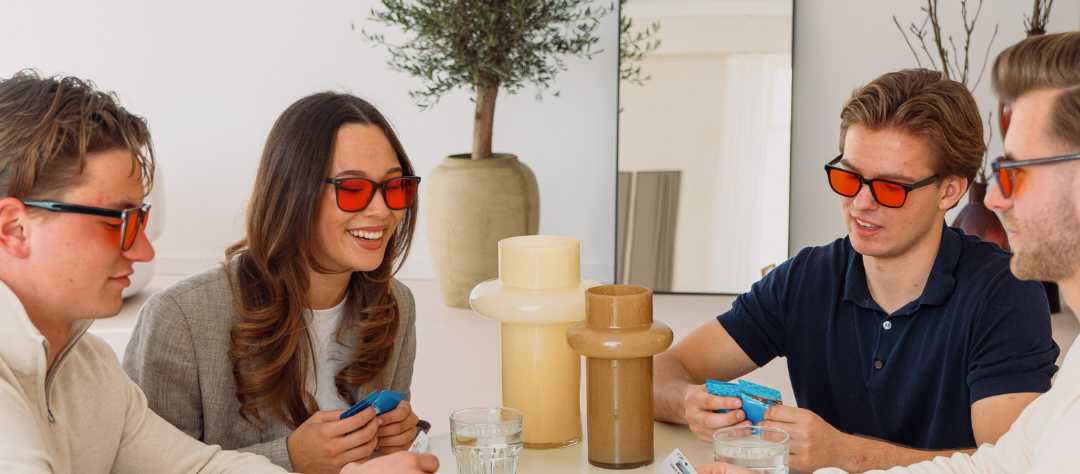
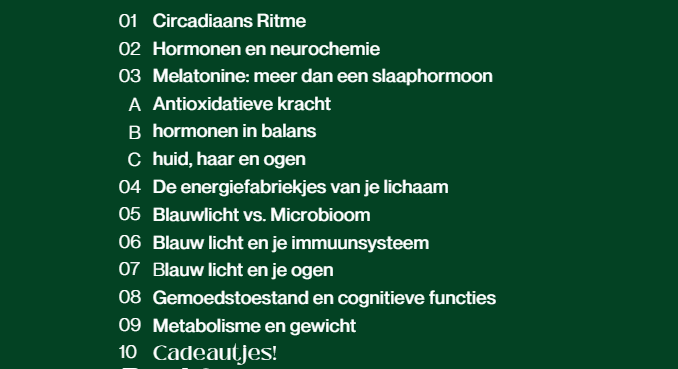
This e-book is about the impact of blue light on your health and how you can use light to your advantage. We often only hear about the influence of blue light on sleep, but that is just the tip of the iceberg. Blue light affects your biorhythm, intestines, metabolism, hormones, and much more. This document has been developed to give you a clear understanding of what really happens in your body and how you can achieve significant health benefits by making a few smart choices.
Why?
At Alina, we believe that health starts with awareness. We want to inspire and inform you to take control of your own well-being. Light is a powerful tool in this regard. With this guide, we want to help you develop your own "light blueprint": a practical manual for a healthier, more energetic, and more balanced life.